Why Responsible Gambling Ad Rules Keep Getting Stricter
KingCasinoBonus.com receives money from casino operators every time someone clicks on our links, influencing product placement. However, the compensation we receive does not influence our evaluation process, analysis and recommendations. We always provide objective, honest verdicts to support informed choices.

This year more countries have introduced new rules regarding gambling advertising. However, you should know that each country is at a different stage. Belgium and the Netherlands have already had extensive restrictions in place, whereas Australia and Ireland operate differently. Let’s take a look together at the rules that apply in the country where you live. Are you ready?
On this page
The UK Has a Rule but Not a Law
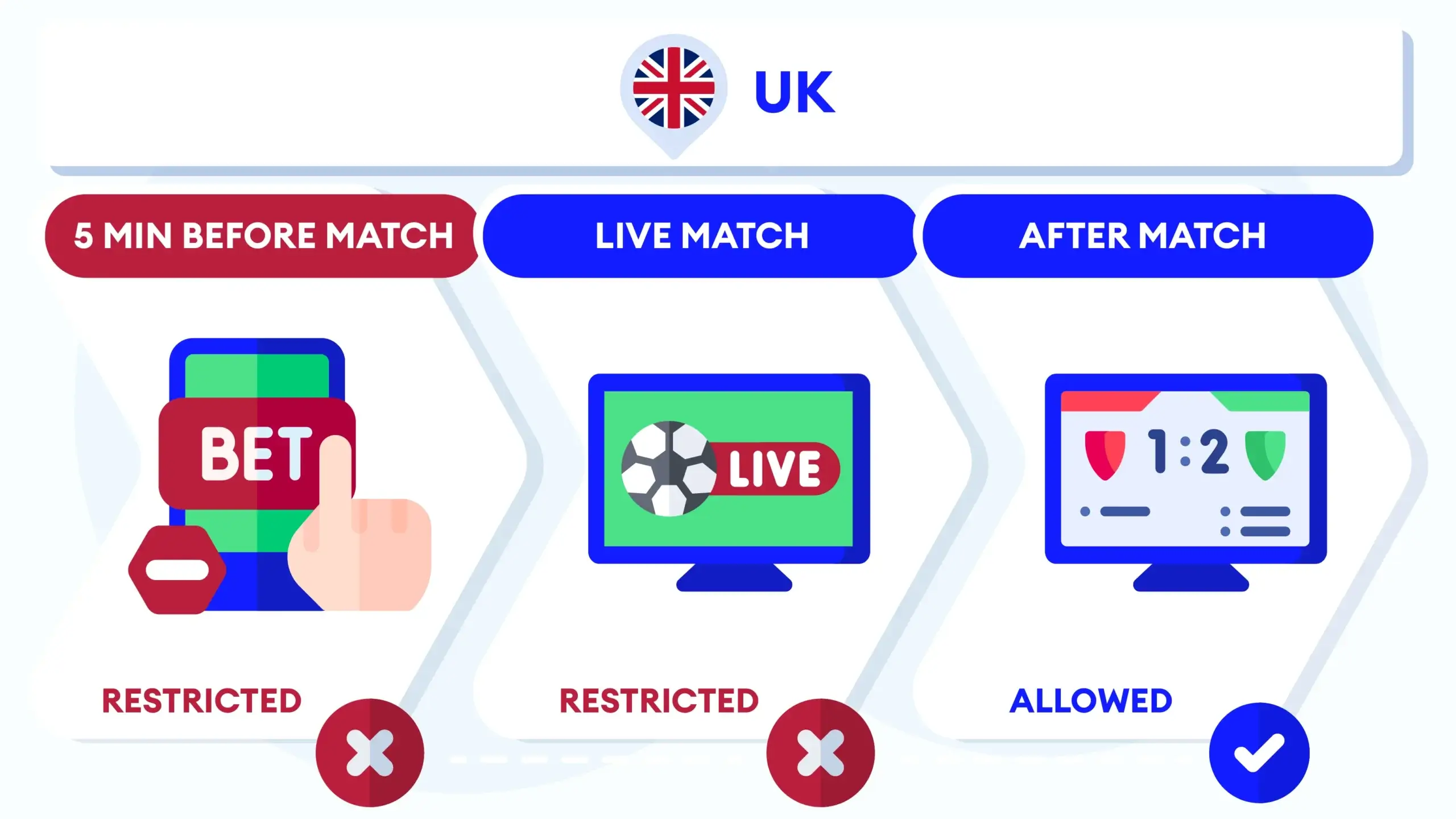
The whistle-to-whistle rule in the United Kingdom prohibits betting advertisements during live broadcasts of matches, as well as during the 5 minutes before a match begins. This rule wasn’t introduced just now, but 6 years ago, in 2019, and has succeeded in reducing children’s exposure to such advertisements.
You should know that this isn’t a law, it’s a voluntary industry code. And keep in mind that it applies only to television; live broadcasts or advertisements on jerseys are not included, as you’ve probably noticed.
In 2026, the British government announced that it would consult with the industry regarding a ban on the sponsorship of British sports teams by unlicensed operators. We don’t have a decision yet, but if this law is introduced, it would take effect in August 2027. We invite you to visit our website again, as we’ll let you know when there are updates.
Ireland’s Watershed Exists on Paper, Not Yet in Practice
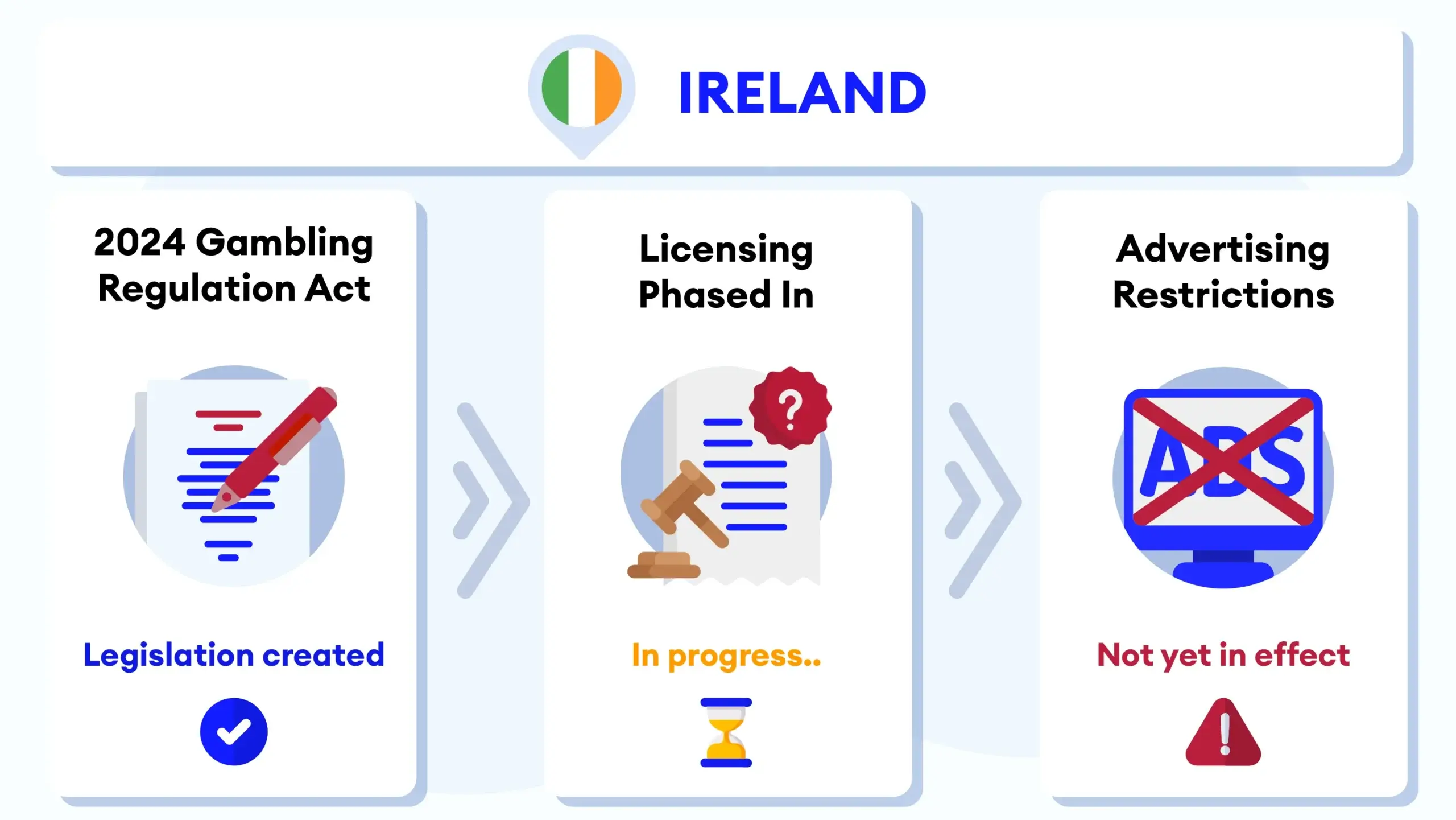
Ireland’s gambling regulation law is set to ban gambling advertisements on TV and radio between 5:30 a.m. and 9:00 p.m. In addition, forms of promotion that portray gambling in a way that is appealing to children will also be prohibited.
Although the law was passed as early as October 2024 the GRAI has ben phasing in the licensing system gradually.
The rules regarding advertising are completey separate. At the time I wrote this article, not even the time-of-day restriction I mentioned above had gone into effect. In other words in Ireland, the rules exist only on paper. They aren’t being enforced yet. If any changes occur we’ll let you know right here!
Australia Is Proposing Some of the Strictest Gambling Ad Rules
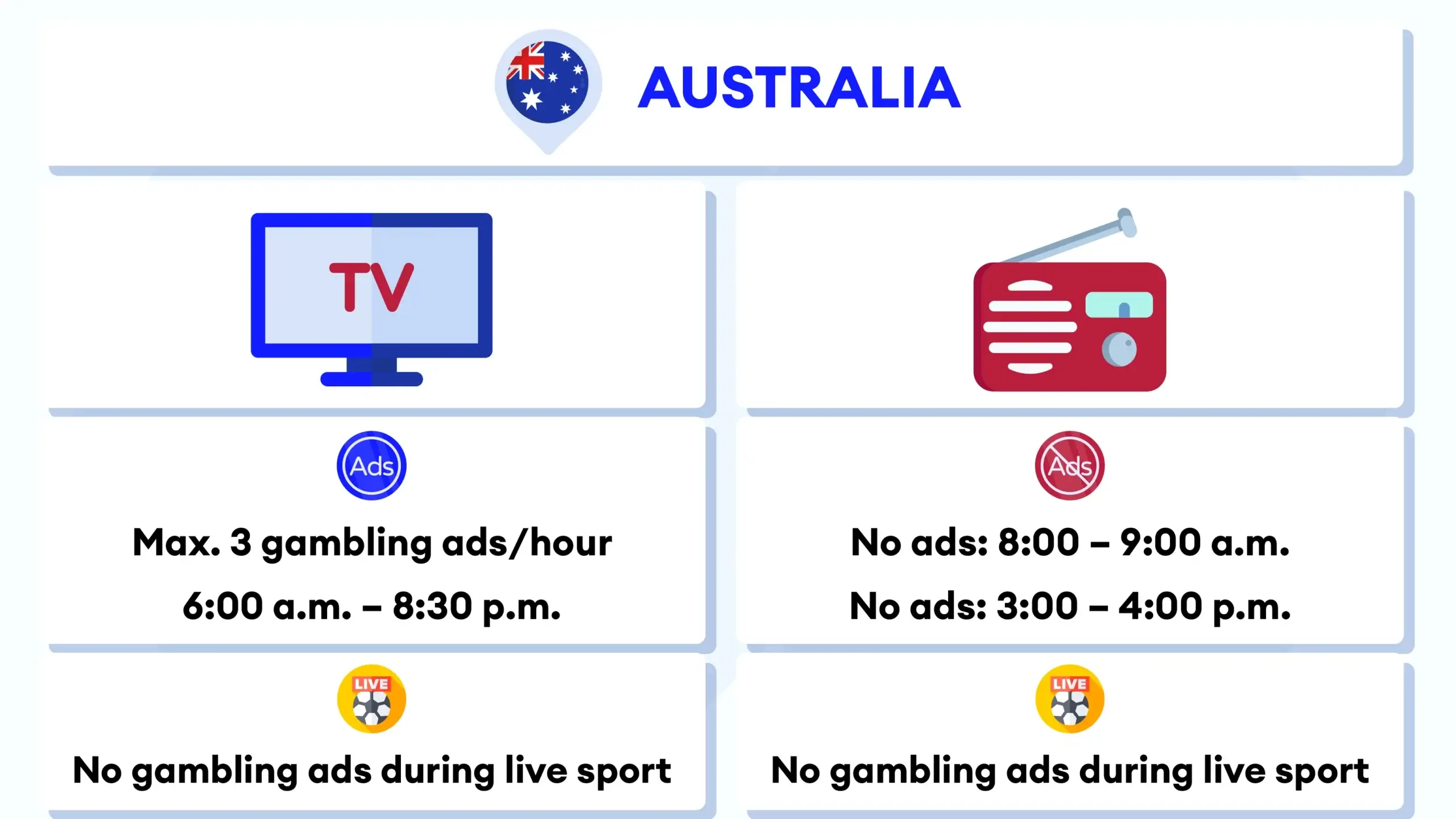
In April of this year, Prime Minister Anthony Albanese announced the most significant reform of gambling advertising regulations. If it goes into effect, you’ll see a maximum of 3 commercials per hour on TV between 6:00 a.m. and 8:30 p.m. During live broadcasts, commercials are completely banned, you won’t see any.
Furthermore, during the hours when parents are dropping off or picking up their children from school, there will be no casino ads on the radio. Keep in mind, however, that this is just an announcement; there is no law in place yet. If this law does come into effect, we will publish a new article on our website.
Belgium and the Netherlands Have Already Tightened the Rules
While the countries I mentioned above are still debating when and how to implement the new restrictions, Belgium and the Netherlands already have strict rules in place. If you live here, you’ve probably noticed this.
In Belgium, gambling ads are almost completely banned on TV, radio, and in print media. And this hasn’t just started now, it’s been in place for three years! Only sports sponsorship contracts signed before this rule went into effect have been exempted until 2028.
In the Netherlands, too, non-targeted advertising is banned. And when it comes to marketing, it’s directed at people over the age of 24. Basically, what we can take away from this is that Belgium and the Netherlands are already at the level that the countries mentioned above are striving to reach.
Ontario Took a Shorter, Faster Route
We can say that things in Canada work completely differently. In Ontario, the regulatory authority AGCO has tightened its advertising standards. What does this mean? Online gambling operators can no longer use athletes in their advertisements, whether they are active or retired. The rule is the same. The same applies to celebrities or influencers who might attract minors to this activity.
These rules took effect on February 28, 2024, and are already being enforced. That a more restrictive and clearly defined rule can end up being implemented much faster than a broad set of rules that’s still pending. We have the examples mentioned above, which I’ve already discussed with you.
The Bottom Line
As you may have noticed from this article, there is no single global standard for responsible gambling advertising. This has become increasingly evident this year.
Belgium and the Netherlands have an almost total ban that they have actually implemented. In contrast, Ireland and Australia have only announced some measures, but these have not gone into effect even after a considerable amount of time.
The United Kingdom and Ontario fall somewhere in the middle. They have a few rules in place, as well as a voluntary code that is still under review.
We have one piece of advice for you. Before assuming that a certain restriction applies to an operator you’re reading about, it’s best to check whether that rule has actually gone into effect.
How We Verified This
We manually verified all the information regarding each country. Please note that we used only official sources. We analyzed the Irish Statute Book, official announcements from the GRAI, the UK’s Media and Sport, and the AGCO’s advertising standards.
We then turned to regulatory authorities in Belgium and the Netherlands, as well as announcements from the Australian government. But we didn’t stop there! We compared the data we gathered with various reports from the specialized press. That’s how this article came to be.
If you feel that advertisements and the pressure to gamble are starting to affect your life, and gambling is no longer just a form of entertainment for you, help is available. It all depends on the country where you live.
If you live in the UK, GamStop is your best option, along with GambleAware, where you can find advice and even a self-assessment questionnaire. In the U.S., you have the National Council on Problem Gambling, which is just as good an option. And we’ve got something extra for you. How about setting some limits for yourself early on, before the pressure from ads becomes a problem? Our guide will help you do just that!
This article is for informational purposes only. Please keep in mind that the rules change frequently and, as you’ve seen, vary from country to country. Before relying on any information, it’s best to verify it yourself.
